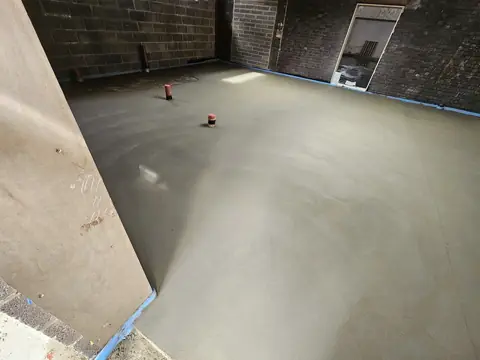
How to level a concrete floor: grind, compound or new screed?
A decision guide to levelling a concrete floor by how far out it is, from grinding ridges to smoothing compound, deep base compound and bonded screed.

Advice, costs and project planning
Practical articles on screed costs, choosing the right screed, drying times, underfloor heating and getting floors ready for tiles, LVT and wood, from the team at K & B Screeding.
Each article answers one question we are asked by homeowners, builders and flooring fitters, with figures from published UK sources and British Standards. For a fixed price for your own floor, ask us for a quotation.
Start here: our in-depth guides
A decision guide to levelling a concrete floor by how far out it is, from grinding ridges to smoothing compound, deep base compound and bonded screed.
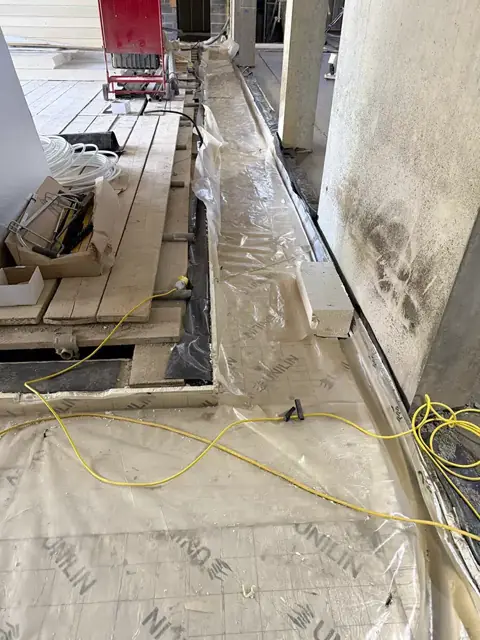
When a liquid surface DPM can seal a damp or still drying concrete floor, when you need a sheet membrane instead, and the order the layers go in.
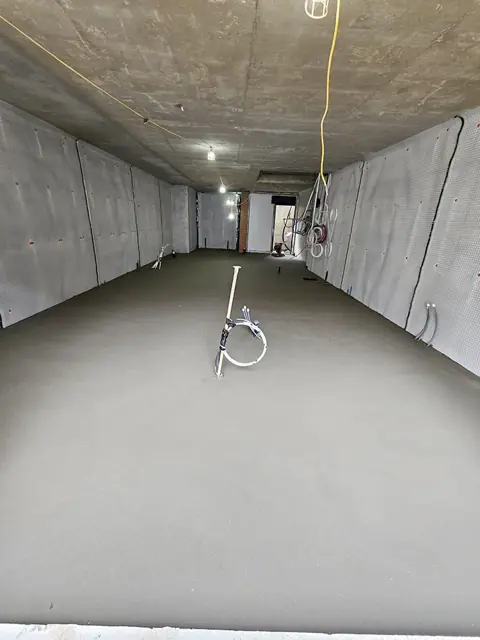
When to seal a concrete or screed floor, which sealer suits a bare floor, why you prime rather than seal under flooring, and when grinding or repair comes first.
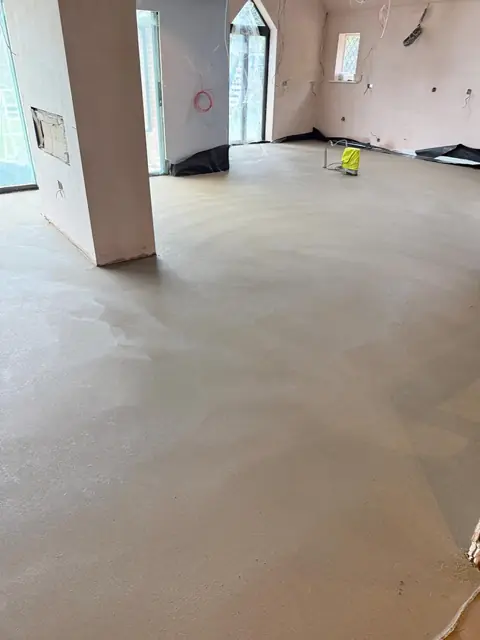
How thick renovation screeds and deep fill compounds can go, how they bond and dry, and when a new screed is the better fix for an uneven floor.
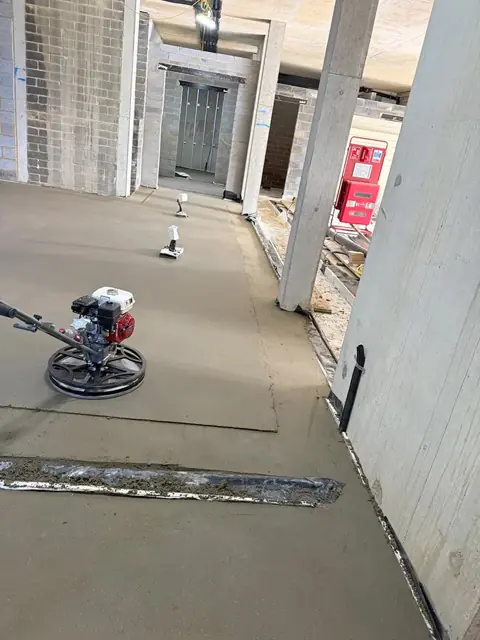
Ready mix vs site mixed sand and cement screed compared on consistency, working time, waste and access, with the BS 8204 reasons the mix matters.
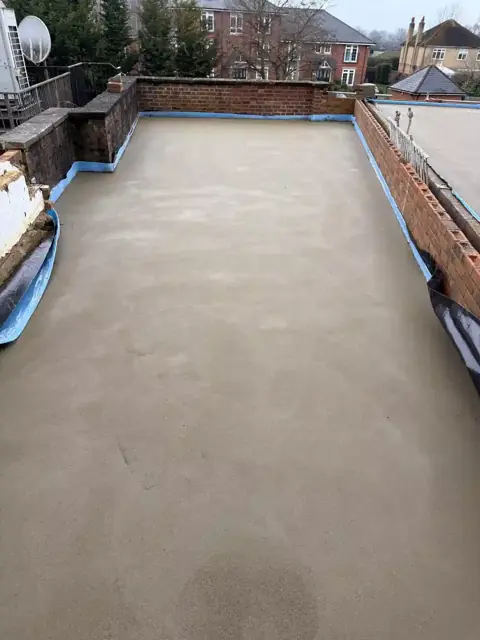
Which outdoor jobs an exterior self levelling compound can handle, why indoor compounds fail outside, and when a patio, balcony or terrace needs an external screed laid to falls.
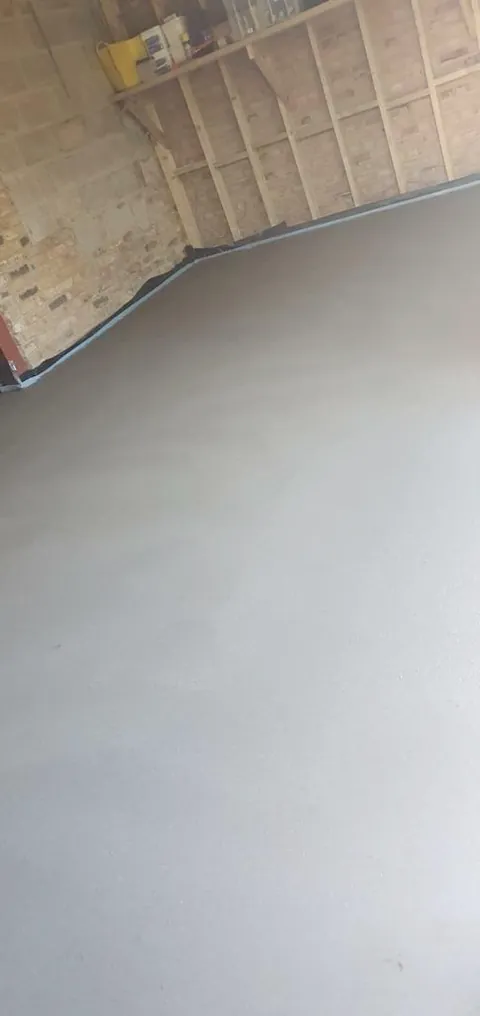
How to choose between a latex compound, a water mix self levelling compound and a new screed, with depths, bases, drying and failure points.
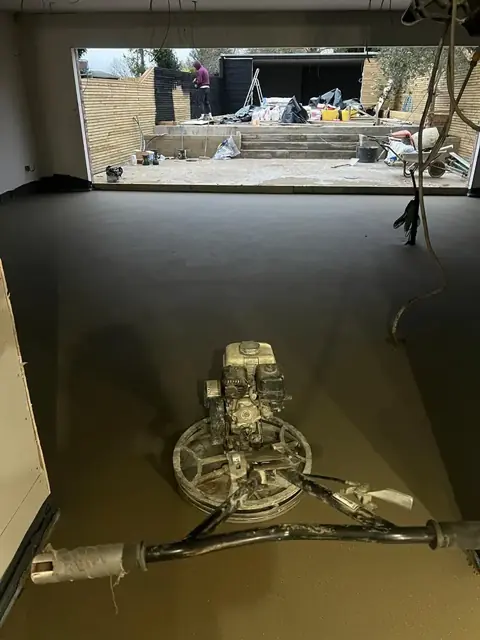
The difference between screed and concrete explained: ingredients, thickness, job in the floor, curing and drying, and when you need one, the other or both.
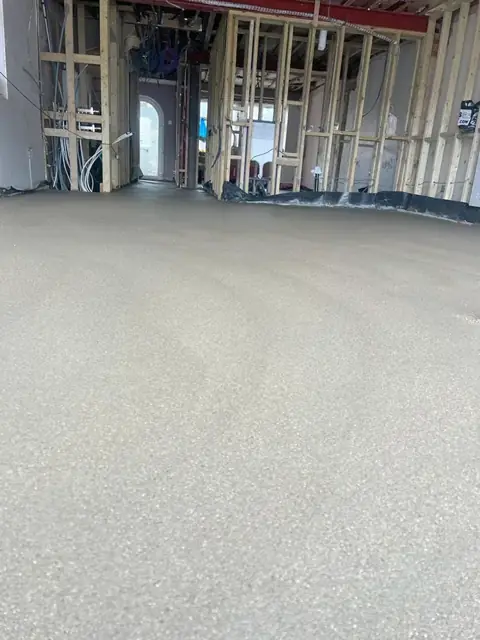
What anhydrite or calcium sulphate flow screed is, how it compares with cement screed, and what your flooring installer needs to know.
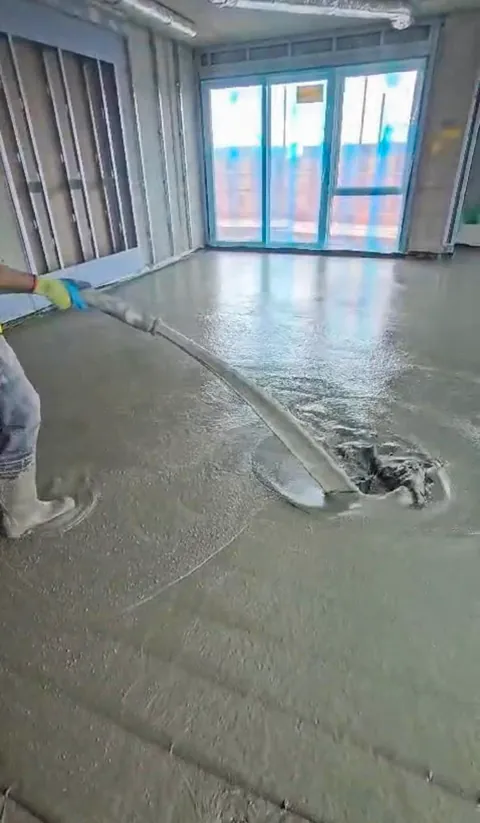
A side by side comparison of speed, depth, drying, cost and underfloor heating performance.
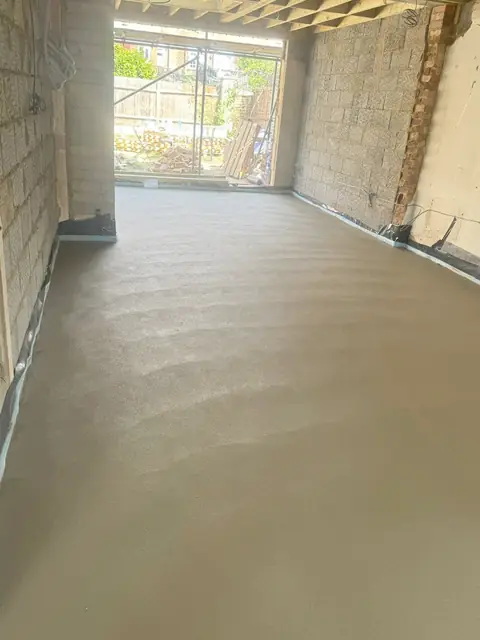
Which underlay to put under laminate on concrete or screed, the moisture and flatness limits to check first, and the stricter rules for wood floors.
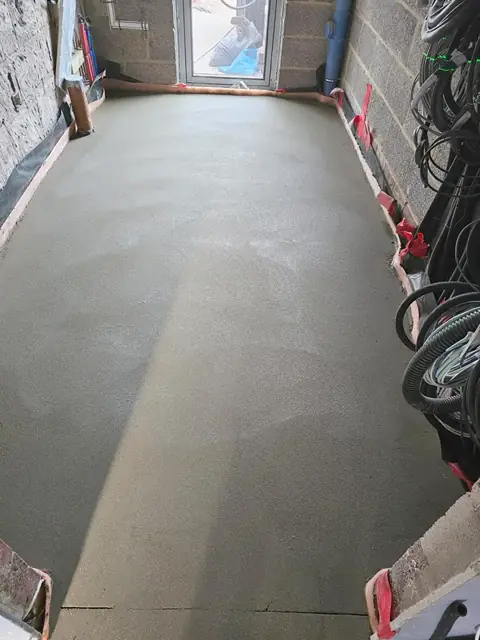
Flatness classes, manufacturers' moisture limits, testing, screeding over existing floors and the common causes of cracking before new flooring.
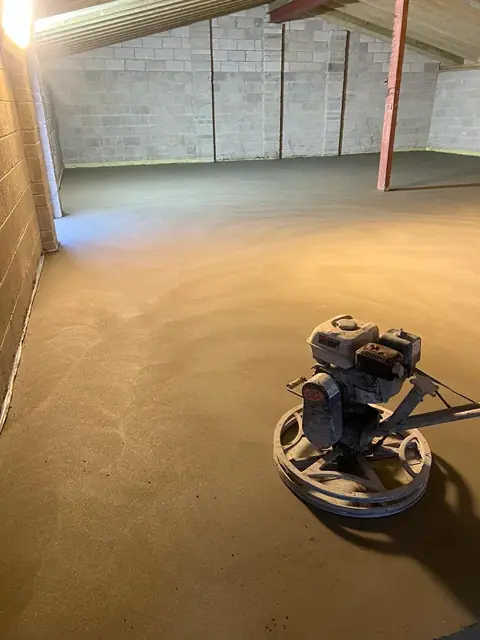
Drying times for sand and cement and liquid screed, what slows them down, and how to test a floor is ready.
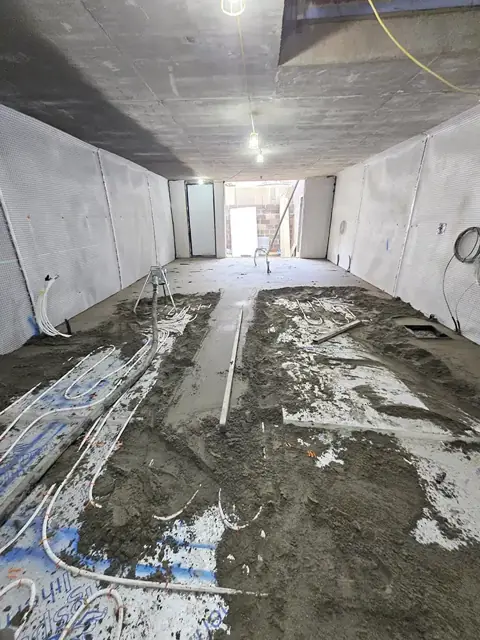
What sanding a concrete floor can and cannot do, how it compares with diamond grinding, the HSE silica dust rules and 2026 UK costs for each route.
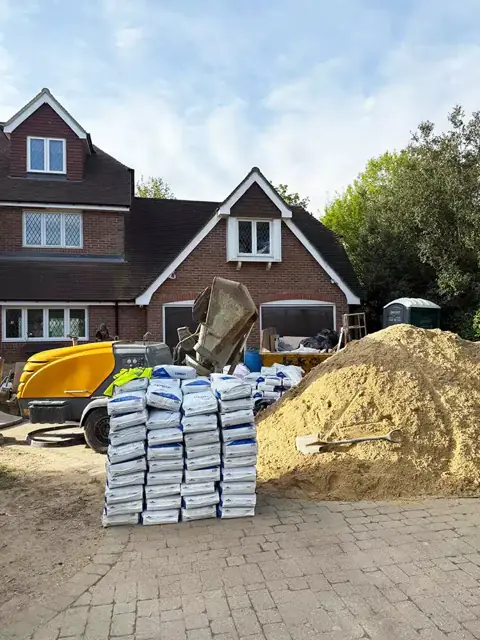
What sand and cement and ready mix screed costs per m3 and per tonne, worked out from 2026 UK prices, and how depth and labour change the figure.
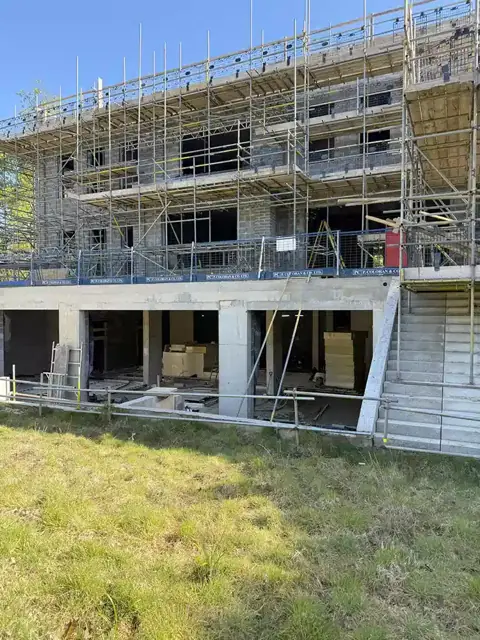
What a concrete floor slab costs per m² in 2026, what insulation, membranes and screed add on top, and which trade quotes each layer.
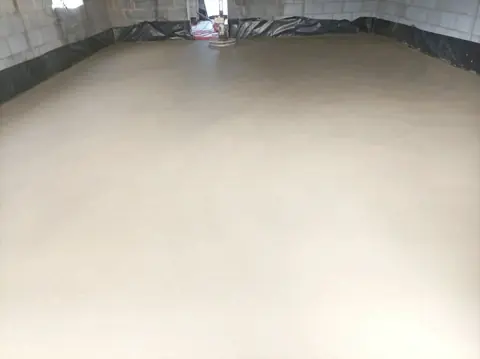
What liquid screed costs per m2 in 2026, why a 15m2 room costs more per m2 than a 60m2 floor, and what a fair quote includes.
What self levelling compound costs per m2 in 2026, how depth and preparation change the price, and when a new screed becomes the cheaper fix.
Typical 2026 prices per m² for sand and cement, liquid and fast drying screed, and what pushes a quote up or down.
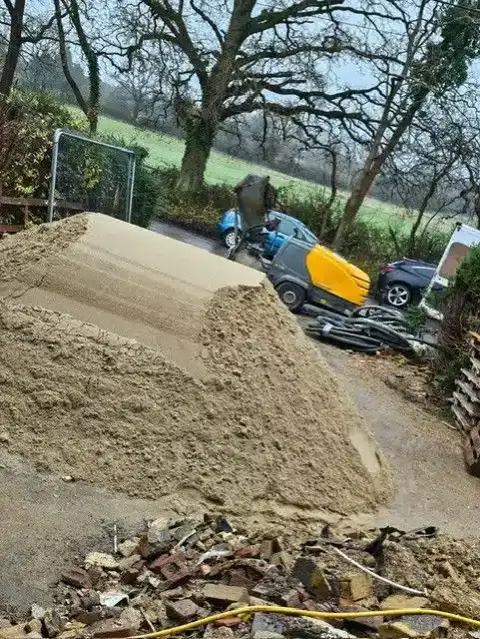
What a DIY screed involves, the standard sand and cement mix ratio, tools, common mistakes and when to bring in a professional.
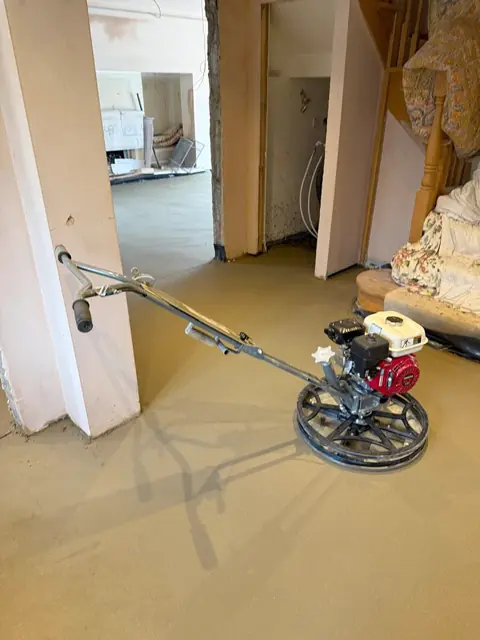
The build-up, depths, drying time and typical cost of screeding a garage floor for a conversion.
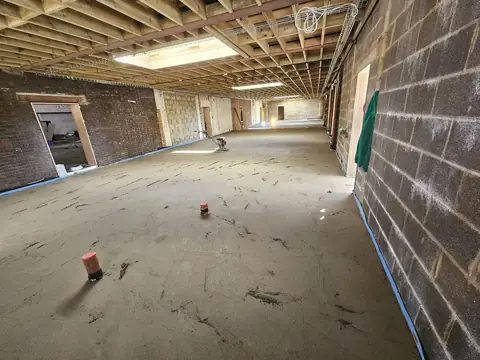
Minimum thicknesses for bonded, unbonded, floating and liquid screeds, and the cover needed over heating pipes.
Free, no-obligation quote
Leave a request and we will call you back the same day. Your quotation will be ready within 24 hours, with no hidden fees and no obligation.